
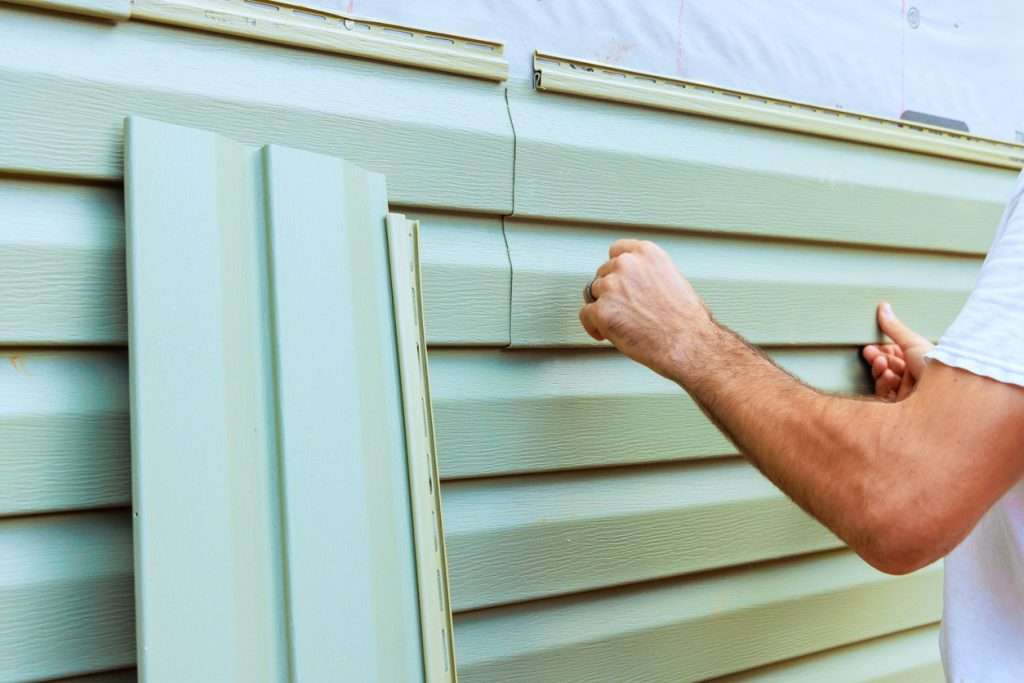
Siding is the part of your house most people stop noticing. It looks fine from across the street, the paint isn’t peeling yet, and life moves on. But siding has a real lifespan, and when it fails it doesn’t just look bad — it stops protecting the structure underneath from water, pests, and weather.
Here’s a real homeowner’s guide to recognizing when siding has reached the end of its useful life, what “failure” actually looks like, and how a planned replacement compares to repair-as-you-go. From a general contractor’s perspective.
How Long Siding Actually Lasts
Lifespans vary significantly by material:
- Vinyl siding: 20–40 years (low end on cheap installations, higher end on premium product with proper install)
- Wood clapboard: 20–40 years with regular paint maintenance; less if neglected
- Cedar shake: 20–30 years
- Fiber cement (Hardie and equivalents): 30–50 years
- Engineered wood (LP SmartSide): 25–40 years
- Aluminum siding: 30–40 years
- Stucco: 50+ years with proper maintenance
- Brick veneer: 75+ years, often the life of the building
- Stone veneer: 50+ years
Two big factors compress those numbers: sun exposure (south- and west-facing walls fail faster) and water management (failed gutters or poor flashing accelerate siding damage from underneath). Northeast freeze-thaw cycles add another shortener for any material that traps moisture.
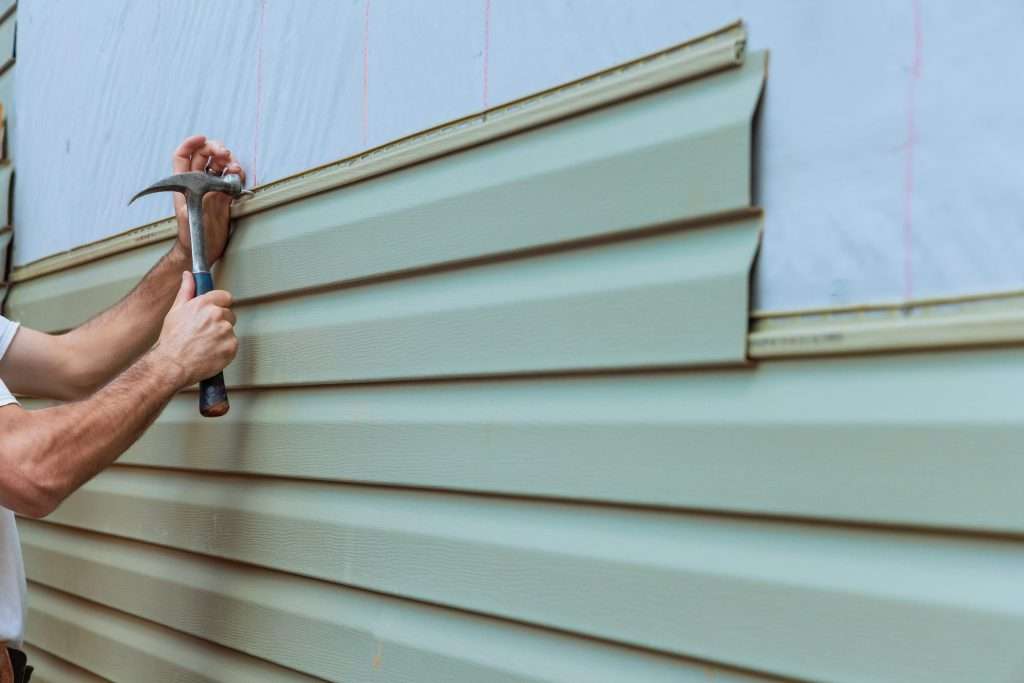
Signs Your Siding Has Failed (or Is About To)
Walk the perimeter of the house and look for these. Take photos of anything you spot — useful for any contractor quote later.
1\. Cracking, Warping, or Buckling Panels
Vinyl warps from heat exposure (especially when grills or fire pits sit too close). Wood cracks from age and moisture cycling. Fiber cement rarely fails this way but can crack from impact. Localized warping is a repair; widespread is a replacement signal.
2\. Soft or Rotten Wood Behind Paint
Most common on wood clapboard and cedar shake. Press a screwdriver tip into the corners of boards, around windows, and at the base near the foundation. If the wood gives, dents, or crumbles — that’s rot. Localized rot is repairable; spreading rot across multiple boards is replacement territory.
3\. Peeling Paint That Won’t Hold After Repaint
If you’ve painted the exterior in the last 3–5 years and the paint is already peeling, the siding underneath has failed — the surface won’t hold paint anymore. Often a sign of trapped moisture. Repainting again just postpones the conversation. Our recent post on when to repaint your home exterior covers the paint side directly; siding failure is when paint repeats happen too soon.
4\. Visible Damage Inside the Walls
Water staining on interior walls, mold appearing in unusual spots, peeling interior paint near exterior walls. These all suggest moisture is getting past failed siding. Replacement is past due — and there’s likely insulation and possibly framing damage to address along with it.
5\. Loose or Missing Pieces After Storms
If recent storms have started pulling pieces loose — vinyl panels lifting in wind, cedar shakes falling off, fiber cement boards cracking at fasteners — the siding system is past its useful life. Patching keeps the water out short-term but doesn’t fix the underlying age.
6\. Visible Insulation Behind Siding
Through gaps, cracks, or missing pieces. If you can see the housewrap, insulation, or sheathing behind the siding, it’s not protecting the structure anymore.
7\. Pest Damage
Carpenter ants and termites love compromised wood siding. Visible insect activity, sawdust trails, or small piercing holes are urgent signs. Replacement plus pest treatment together is usually the answer.
Repair vs Full Replacement
The hardest decision in a siding project is when to stop patching and start over.
Repair Makes Sense When
- Damage is localized (one wall, one corner, post-storm)
- The rest of the siding is sound and not yet at end-of-life
- You have leftover matching material from the original install
- Patching the bad section gets the system 5+ more years
Replacement Makes Sense When
- Damage spans multiple walls or shows up across multiple areas
- The siding is at or past its expected lifespan
- You can’t match the original color or material (most discontinued or faded)
- You’ve already had repairs in the last 2–3 years and new damage keeps appearing
- Interior moisture damage is already showing up
- You’re planning a full exterior update with paint, roof, or windows
The economics tend to favor replacement once you’re past three separate repair projects in a 24-month window. The accumulated repair cost plus the ongoing risk of further damage usually beats the one-time replacement cost.
What a Real Siding Replacement Costs in 2026
Real cost ranges for full residential siding replacement, 2,000–2,500 sq ft home, 2026:
- Vinyl siding: $12,000 – $22,000
- Wood clapboard or cedar shake: $18,000 – $40,000+
- Fiber cement (Hardie): $20,000 – $40,000
- Engineered wood (LP SmartSide): $16,000 – $32,000
- Stucco: $14,000 – $28,000 (more for full replacement vs patching)
- Brick or stone veneer: Significantly higher; project-specific
Cost drivers: number of stories (two-story scaffolding adds), siding material choice, tear-off complexity, sheathing repair needs once the old siding comes off, window and trim replacement done at the same time, and any rotted sheathing or framing repair behind the existing siding.
Why Summer Is the Right Window
Like exterior paint, siding replacement has weather constraints:
- Dry weather windows. A tear-off exposes the sheathing to weather. Multi-day dry stretches matter.
- Temperature minimums. Adhesives, sealants, and caulks have 40–50°F+ requirements for proper cure.
- Frost considerations. Late-fall and winter work risks frozen substrate.
- Daylight productivity. Summer days mean more linear feet completed per crew-day.
For Northeast homes, May through October is the right window. The flip side: this is also when every siding contractor’s calendar fills. Plan 6–10 weeks ahead for any 2026 summer siding project.
Bundling With Other Exterior Projects
Siding replacement is the perfect time to handle other exterior work that touches the same surfaces. Mobilization, scaffolding, and dust protection all get shared, and the finished result is dramatically better-integrated than handling each piece separately.
- Roof + siding: Always roof first. New roof, then new siding, then trim and paint. Sequence matters. Our post on 5 signs your roof needs replacement covers the roof diagnostic.
- Gutters + siding: Replace gutters before or with siding. Gutters fasten through the new siding’s installation pattern. Our post on replacing gutters when you replace your roof covers the bundling math.
- Windows + siding: If windows are scheduled for replacement in the next few years, do them with the siding. The flashing details only work right when both go in together.
- Paint + siding: Fiber cement and engineered wood often come pre-primed and need final paint. Time the painting with the install rather than as a separate project.
For property managers and broader exterior planning, our home remodeling services coordinate the integrated exterior project, and our recent post on commercial roof replacement planning covers the parallel logic for B2B exterior cycles.
A Note on Older Homes and Lead
Homes built before 1978 often have lead paint somewhere in their exterior history. Siding removal disturbs that paint. Federal EPA Lead RRP rules apply — any siding contractor doing significant work on pre-1978 homes needs Lead RRP certification. The EPA Lead RRP program covers the regulations. Confirm your contractor is certified before they touch the siding on an older home.
Red Flags in a Siding Replacement Bid
- Quote based on a phone call. Real siding quotes require a walkthrough.
- No mention of underlying sheathing inspection. What’s behind the existing siding matters as much as the siding itself.
- Lowest bid by a wide margin. Usually a sign of cheaper material substitution or skipped insulation upgrades.
- No itemized breakdown. Material, labor, tear-off, disposal, trim, sheathing repair should all be itemized.
- Reluctance to discuss flashing details. Flashing around windows, doors, and rooflines is where siding installs succeed or fail long-term.
- No mention of warranty. Material warranties (often 25–50 years on premium products) and workmanship warranties should both be in writing.
- Cash-only or large upfront deposits. Standard is 25–35% deposit, milestone payments, and final on completion.
Ready for a Real Siding Assessment?
If your home’s siding is showing the signs above, the planning window is now — before late summer fills up. Our siding services cover full replacement, material selection, and the coordination with related exterior trades. Our portfolio shows examples of completed siding projects.