
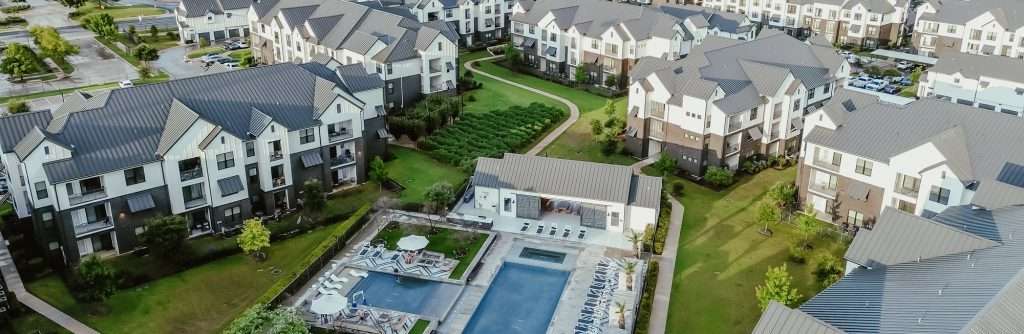
When a roof replacement gets serious, the biggest single decision most homeowners face is metal versus asphalt shingles. Both work well when installed right. Both fail fast when installed wrong. The pricing gap is meaningful, the lifespan gap is even bigger, and the right answer depends more on how long you’ll own the house than on which one is “better.”
Here’s the real homeowner comparison — costs, lifespans, climate realities, and how each material actually performs. From a general contractor’s perspective.
The Short Answer
- Asphalt shingles win on upfront cost. Last 20–30 years for architectural, 15–20 for 3-tab. Easier install, more contractor availability, more color options.
- Metal roofing wins on lifespan. Lasts 40–70+ years. Higher upfront cost. Better for snow shedding, wildfire resistance, and heat reflection. Adds more resale value.
For most homeowners staying 15+ years in the same house, metal usually beats asphalt on total cost. For homeowners staying 5–8 years or working with a tight budget today, asphalt is the better near-term choice. The math isn’t “which is better” — it’s “which one fits how long you’ll own the house.”
Real 2026 Cost Ranges
For a typical 2,000–2,500 sq ft home (roof surface roughly 25 squares):
- 3-tab asphalt shingles: $8,000 – $14,000
- Architectural / dimensional asphalt shingles: $11,000 – $18,000
- Premium asphalt (impact-resistant, algae-resistant): $14,000 – $22,000
- Standing-seam metal: $22,000 – $42,000
- Corrugated or exposed-fastener metal: $16,000 – $28,000
- Stone-coated steel: $18,000 – $32,000
Cost drivers: roof pitch, complexity (chimneys, skylights, valleys), tear-off vs new construction, sheathing repair if the underlying deck needs work. Steeper and more complex roofs drive metal costs up faster than asphalt.
If you’re evaluating whether your existing roof is at replacement stage, our post on 5 signs your roof needs replacement covers the diagnostic. If you’re planning broader integrated exterior work, our post on replacing gutters when you replace your roof covers the bundling math.
Lifespan Reality
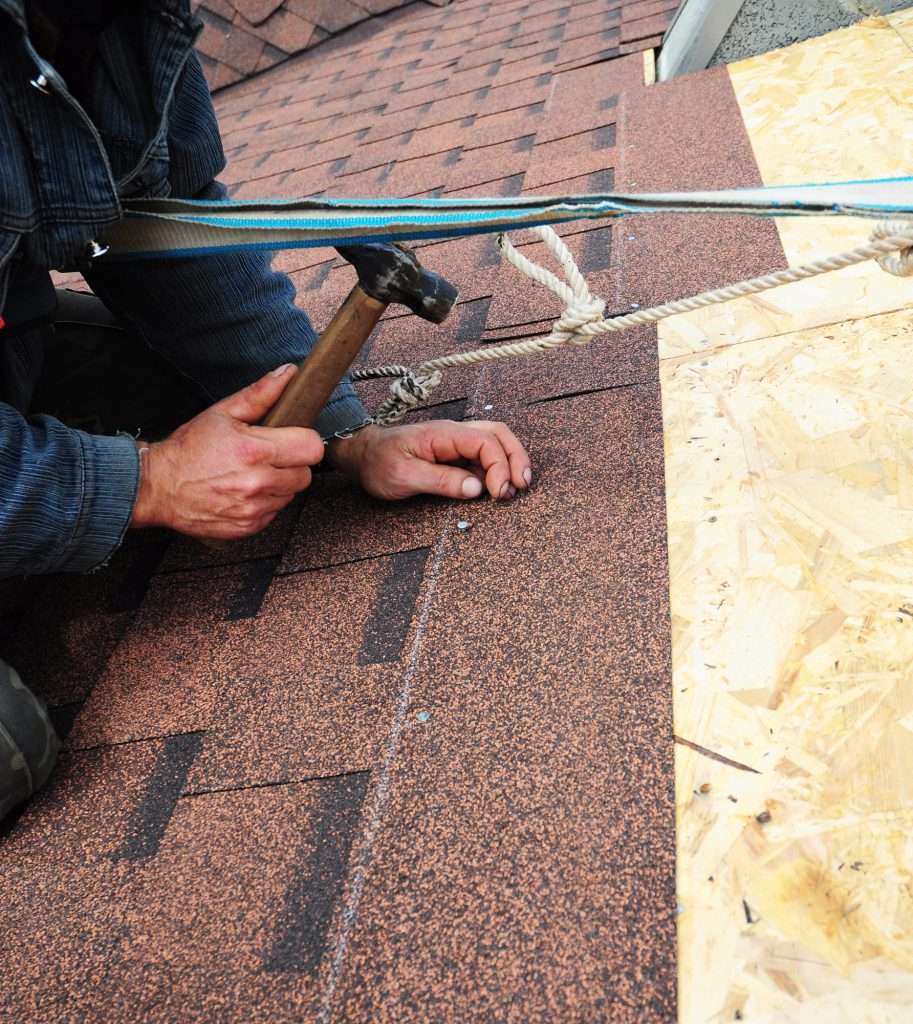
- 3-tab asphalt: 15–20 years
- Architectural asphalt: 20–30 years
- Premium asphalt (impact-resistant): 30 years with warranty support
- Standing-seam metal: 50–70+ years
- Corrugated metal (with proper install): 40–60 years
- Stone-coated steel: 50+ years
Climate matters. Asphalt shingles fail faster in extreme heat (Southwest) and extreme freeze-thaw (Northeast severe winters). Metal is more forgiving of both. In moderate climates the gap narrows.
Maintenance Reality
Asphalt
- Annual visual inspection after major storms
- Repair loose or missing shingles as they appear
- Clean gutters twice yearly to prevent water backup
- Algae-resistant shingles need less streaking cleanup; older shingles need occasional soft-wash treatment
- Full replacement at end of life
Metal
- Annual visual inspection for panel movement or fastener issues
- Occasional caulking around penetrations (skylights, vent stacks)
- Clean gutters twice yearly
- Occasional repainting of exposed-fastener metal (standing-seam typically doesn’t need repainting)
- Rare full replacement — usually roof outlasts homeowner’s ownership
Total maintenance cost over a 30-year window: asphalt typically runs $3,000–$6,000 in maintenance and repairs. Metal typically runs $1,500–$3,500. The maintenance gap partially offsets metal’s higher install cost.
Climate and Weather Match
Northeast (NJ, NY metro, New England)
Freeze-thaw is the biggest variable. Both work if installed properly. Metal sheds snow better and doesn’t crack from freeze-thaw the way older asphalt can. Asphalt is more forgiving of small install mistakes but requires the consistent maintenance many homeowners skip.
Hot Climate (Southwest, Southeast)
Metal reflects heat significantly better than asphalt, dropping attic and cooling costs meaningfully. Asphalt can fail faster in extreme summer heat. In hot climates, metal’s lifespan advantage grows.
Wildfire Zones
Metal has a real safety advantage — Class A fire rating out of the box, no fuel for wind-blown embers. Asphalt is Class A rated but performance depends on integrity of the shingle system. For wildfire-prone areas, metal is the clear choice.
Hail-Prone Regions
Metal denting is real but doesn’t compromise waterproofing. Asphalt hail damage often requires replacement. Insurance companies increasingly favor metal in hail-prone regions with lower premiums.
Energy Efficiency
Metal roofing reflects significantly more solar heat than asphalt. Cool-roof metal panels can drop attic temperatures by 20–30°F on hot summer days, translating to meaningful AC savings. The U.S. Department of Energy’s Building Technologies Office covers the energy-efficiency angle in more detail — cool metal roofs are one of the highest-performing options for reducing cooling loads.
Asphalt reflects less heat and absorbs more, transmitting more heat into the attic space. Light-colored asphalt performs better than dark, but metal still meaningfully outperforms.
Aesthetics and Curb Appeal
- Asphalt shingles come in dozens of colors and styles. Architectural shingles mimic slate or cedar shake convincingly. Traditional look most buyers expect.
- Standing-seam metal has a modern, clean look. Vertical seams, distinctive appearance. Works especially well on contemporary or modern-farmhouse-style architecture.
- Stone-coated steel combines metal’s lifespan with textures that mimic traditional shingle or tile. Best of both worlds visually.
- Corrugated metal reads as rustic or agricultural. Works on specific architectural styles but doesn’t suit every neighborhood.
If you’re coordinating exterior aesthetics with a broader remodel — such as the projects covered in our posts on when to repaint your home exterior or when siding needs replacement — choosing the roof material with siding and paint in mind produces a much more unified exterior result.
Noise, Snow, and Ice
Rain Noise
Common concern: does metal make rain sound louder inside the house? Modern metal roofing on properly insulated attics is essentially silent. The bare-metal-barn stereotype doesn’t apply to residential metal roofs installed over solid decking with adequate insulation.
Snow Shedding
Metal sheds snow dramatically better than asphalt. Real advantage in Northeast winter — reduces roof load, minimizes ice dam formation, protects gutter systems. Downside: falling snow from a metal roof can damage landscaping or block walkways. Snow guards are the standard fix.
Ice Dams
Metal is dramatically less prone to ice dams than asphalt. Combined with proper attic insulation and ventilation, metal essentially eliminates the ice dam problem that plagues asphalt shingles in Northeast winters.
Resale Value
- New asphalt roof: Typically recoups 60–70% of install cost at resale. Buyers see “new roof” as a value driver.
- New metal roof: Recoups 60–80% of install cost, plus the roof’s longer warranty passes to the new owner. Higher-end buyers actively look for metal.
- Old, tired roof of any material: Actively hurts resale value. Buyers see deferred maintenance and negotiate down.
If you’re planning to sell in 3–5 years, asphalt’s lower install cost gives you similar resale bump for less money out of pocket. If you’re staying 10+ years, metal’s longevity means the next buyer inherits a functional roof.
Commercial Applications
For commercial buildings, the metal-vs-asphalt conversation is different — most commercial roofs are flat or low-slope and use TPO, EPDM, or built-up systems rather than shingles. Our post on commercial roof replacement planning covers the commercial side.
Installation Best Practices
- Full tear-off of old roof (avoid layering over existing shingles)
- Ice-and-water shield underlayment along eaves and in valleys
- Synthetic underlayment across the field
- Starter shingles at eaves and rakes
- Ridge vents for proper attic ventilation
- Manufacturer-approved installation methods for warranty coverage
- Full tear-off of old roof
- Ice-and-water shield along eaves
- Solid sheathing (not spaced) for panel support
- Correct fastener spacing (usually every 12–24 inches on standing-seam)
- Expansion joints on panels over 25 feet long
- Snow guards in snow country
- Manufacturer-certified installer for warranty coverage
Metal roofs done wrong fail spectacularly — leaks develop where fasteners are misspaced or where expansion isn’t accounted for. Manufacturer-certified installers matter more for metal than for asphalt.
Red Flags in a Roofing Bid
- Quote based on a phone call. Real roofing quotes require an inspection.
- Lowest bid by a wide margin. Usually a sign of thinner underlayment, layering over old shingles, or subcontractor labor.
- No manufacturer certification for metal work. Metal warranties require certified installers.
- No discussion of underlayment or ventilation. Underlying materials matter as much as the surface.
- Pressure to sign immediately. Storm-chasing contractors love urgency.
- No written warranty on materials and workmanship. Both should be in writing.
- Cash-only or large upfront deposits. Standard is 25–35% deposit, milestone payments, final on completion.
Ready for a Real Roof Comparison Quote?
If you’re planning a roof replacement and weighing metal vs asphalt, we’d be happy to walk the roof, look at the underlying deck, and put together comparative quotes for both material options. Our roofing services cover full replacement, material selection, and coordination with related exterior projects. Our portfolio shows examples of completed roof projects across materials.