
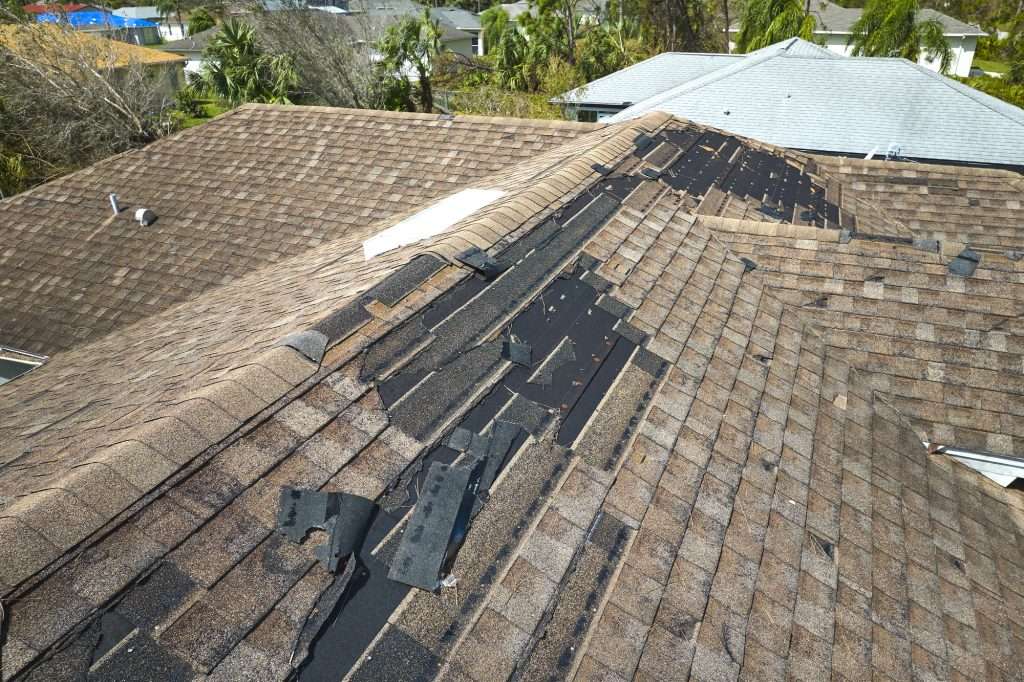
Fall is roof prep season in Bergen County. September through early November is the window — after summer heat but before the first hard freeze — when your roof, gutters, flashing, and attic ventilation all benefit from a real inspection and prep pass. Miss the window and small issues turn into winter emergencies: ice dams damaging fascia and interior walls, storm-damaged shingles letting water in during the first nor’easter, gutters overflowing with frozen debris.
Here’s the real homeowner fall roof prep guide for Bergen County — Hackensack, Paramus, Fair Lawn, Ridgewood, Teaneck, Fort Lee, Englewood, Bergenfield, and every town in between. What to inspect, what to fix, what to hire out, and how to coordinate with fall gutter and siding work. From a licensed local general contractor that runs fall roofing prep and repair schedules across Bergen and the surrounding counties.
Why Fall Matters for Bergen County Roofs
- The freeze window is narrow. Bergen County first-freeze dates run mid-October to mid-November depending on the year. Once temperatures drop, most roofing work becomes harder, slower, and more expensive.
- Ice dams are preventable. Bergen’s specific mix of insulation quality, snow accumulation, and freeze-thaw cycles makes ice dams a real seasonal problem. Fall attic ventilation checks and gutter clearing prevent most of them.
- Summer storm damage compounds. Bergen summer storms hit roofs. Damage not caught in fall becomes leak entry during the first winter snow melt.
- Contractors book up. Fall is the busy season for Bergen County roofers. Emergency winter work is available but at premium prices with longer wait times.
- Insurance implications. Insurers often deny claims where damage traces back to missed maintenance. Fall inspection creates a documentation trail.
The NOAA New York area weather forecast office tracks Bergen County first-frost timing and seasonal weather patterns that affect roofing work windows.
The Ground-Level Fall Roof Inspection
Do NOT climb on the roof. Roof inspection after a storm — or before winter — is a professional job. From the ground with binoculars, homeowners can catch most issues.
- Check each roof slope for missing, curled, or lifted shingles. Missing shingles show as dark patches. Curled shingles show at the edges. Lifted shingles are visible against the ridgeline.
- Look at roof valleys. Where two slopes meet is where debris collects and water concentrates. Fall leaves accumulating in valleys is a real problem.
- Check the ridge cap. The peak of the roof gets the most wind exposure. Damaged or displaced ridge caps let water into the attic.
- Inspect chimney flashing. The metal seal around the chimney base is a common leak entry point.
- Look at plumbing vents and roof penetrations. Each penetration has a rubber boot that ages and cracks. Fall is when to catch failures.
- Check the roof edges and fascia boards. Sagging, water staining, or torn-away sections indicate problems that will compound over winter.
- Look for growth. Moss, algae, or lichen growth on Bergen County roofs (especially north-facing slopes) traps moisture and degrades shingles.
- Check the ground below the eaves. Shingle granules on the ground below gutters indicate accelerated shingle wear.
Our post on 5 signs your roof needs replacement covers when the visible damage crosses from “fall prep” into “time to replace.”
Gutter Coordination with Fall Roof Prep
Fall roof prep and fall gutter work are inseparable. One doesn’t work without the other.
- Gutters need clearing AFTER leaf drop. Bergen County’s major leaf drop is typically mid-to-late October. Clearing before is wasted work.
- Check gutter attachment and slope. Sagging gutters mean water doesn’t flow to the downspouts. Ice will accumulate and pull gutters off entirely during winter.
- Test downspouts. Run a hose. Clogs at the bottom back water up to overflow at the top.
- Verify splash blocks direct water away from foundation. Winter freeze-thaw at the foundation is a real problem.
- Consider gutter guards or covers. Reduce annual maintenance burden. Our post on replacing gutters when you replace your roof covers the coordination.
Ice Dam Prevention: Do It in Fall
Ice dams form when heat escapes through the roof, melts snow above the attic, and the meltwater refreezes at the eaves (which are colder). Water backs up under shingles and enters the house. Bergen County is prime ice dam territory.
- Attic insulation check. Insufficient or wet attic insulation is the root cause. Fall is when to add or replace.
- Attic ventilation verification. Ridge vents, soffit vents, gable vents — all need to be clear and functional. Poorly ventilated attics run warmer, creating ice dam conditions.
- Attic air leak sealing. Recessed lighting, plumbing penetrations, ductwork gaps — every attic air leak contributes to ice dam risk.
- Gutter clearing (as covered above). Clogged gutters trap meltwater near the eaves.
- Roof heat cables (if applicable). Older homes or homes with chronic ice dam problems sometimes benefit from installed heat cables at eaves. Install in fall, not once ice has already formed.
Attic Inspection Items
Fall is also attic inspection time. Access your attic (if safely possible) and check:
- Signs of moisture. Water stains, mildew smell, wet or matted insulation. Any moisture means the roof is leaking somewhere above.
- Daylight through the roof deck. If you can see daylight anywhere through the sheathing, that’s an active hole.
- Rodent or bird intrusion. Fall is when animals look for winter shelter. Damaged flashing or vent screens let them in.
- Insulation depth and coverage. Bergen County recommends R-49 minimum attic insulation (roughly 15 inches of blown fiberglass or cellulose). Compare against what’s actually there.
- Ventilation clearance. Soffit vents can be blocked by insulation pushed too close to the eaves. Baffles prevent this.
What to DIY vs. Hire a Pro
Safe DIY
- Ground-level roof inspection with binoculars.
- Attic inspection (with proper safety and access).
- Photographing everything for documentation.
- Ground-level gutter debris removal (small homes only, with a stable ladder and a helper).
- Basic yard cleanup that affects roof (trimming branches away from roof edges — but professional tree work for large branches).
Hire a Licensed Contractor
- Anything requiring roof access. Wet leaves, unstable footing, ladder work above single-story height — Bergen ER visits from fall ladder falls happen every year.
- Multi-story home gutter cleaning.
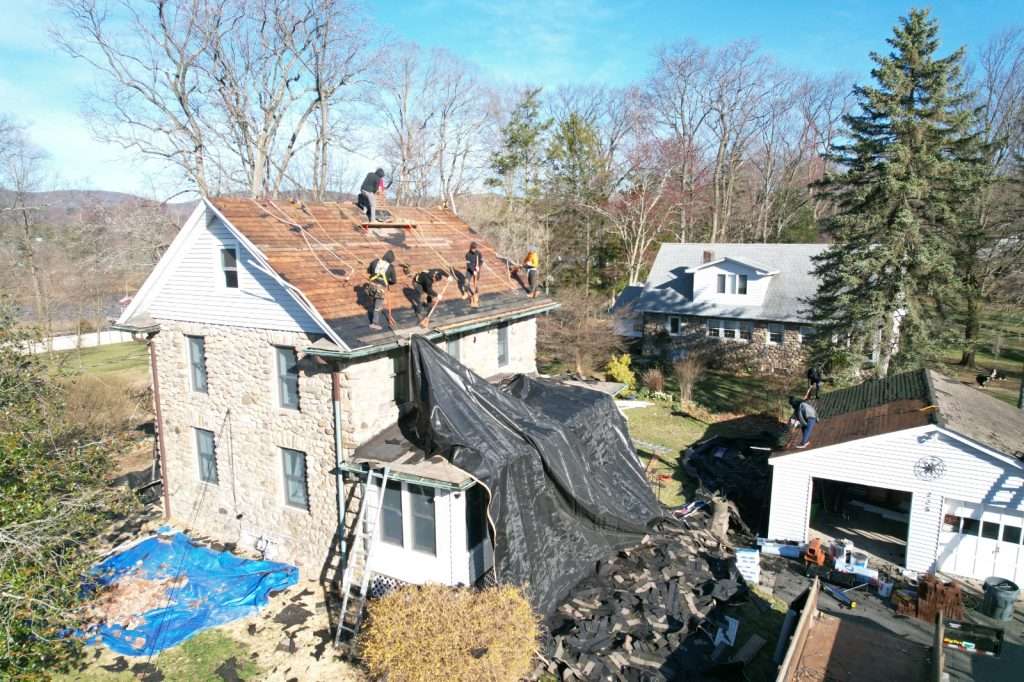
- Shingle repair or replacement. Damaged shingles need professional replacement, not DIY sealing.
- Flashing repair. Chimney flashing, valley flashing, and roof penetration flashing all need real technique.
- Attic insulation upgrade. Adding R-value correctly, maintaining ventilation, sealing air leaks.
- Ridge vent or soffit vent installation. Roof modifications need proper waterproofing.
- Heat cable installation. Professional electrical and roofing coordination.
- Any storm damage discovered during fall inspection. This isn’t fall prep — it’s storm response, and it needs to be handled differently.
If Fall Inspection Turns Up Storm Damage
Bergen County summer storms leave damage that homeowners often don’t notice until the fall inspection pass. If any of the inspection items above surface actual storm damage — cracked or missing shingles, damaged flashing, torn-away sections, impact damage from windborne debris — treat that as storm response, not routine fall prep.
Storm damage has different urgency and different insurance implications. Our companion posts cover the storm response scope:
- Bergen County roof storm damage — first 48 hours
- Bergen County gutter storm damage — first 48 hours
- Bergen County siding storm damage — first 48 hours
If it’s storm damage, the insurance timeline matters. If it’s routine wear surfacing during fall inspection, the maintenance timeline matters. Different conversations.
The Fall Roof Prep Timing Sequence
- Early September: Ground-level roof inspection. Attic inspection. Schedule any needed repairs.
- Mid-September to early October: Shingle repairs, flashing work, ventilation improvements. Weather still workable, contractors more available.
- Mid-October to early November: Gutter cleaning AFTER leaf drop. Final ice dam prevention items.
- Late November: Final inspection pass. Any last remaining repairs completed before first serious freeze.
Boards or homeowners scheduling multi-property fall work should push the RFP or booking earlier — August or early September — to secure preferred vendor scheduling.
Roof Age and Replacement Considerations
If your Bergen County home’s roof is approaching or past the typical service life, fall inspection is the moment to decide: prep for another winter, or plan a replacement.
- Asphalt shingle service life: Typically 20–25 years in Bergen climate. Older 3-tab shingles are usually toward the end at 20 years; architectural shingles push closer to 25.
- Metal roof service life: 40–70 years depending on system. Our post on metal vs. asphalt shingles covers the material comparison.
- Fall is when to decide. A borderline roof going into winter that needs mid-winter emergency replacement costs 25–50% more than a fall replacement.
- Insurance considerations. Some insurers age out roofs. Check your policy for roof age limits before deciding to defer replacement.
The Fall Roof Prep Checklist (Summary)
- ☐ Ground-level roof inspection completed. Photos documented.
- ☐ Roof valleys, ridge cap, chimney flashing, and vent penetrations visually checked.
- ☐ Attic inspection completed. Moisture, daylight, animals, insulation depth checked.
- ☐ Attic ventilation verified.
- ☐ Attic air leaks addressed.
- ☐ Gutters cleared (after leaf drop).
- ☐ Gutter attachment and slope checked.
- ☐ Downspouts tested with running water.
- ☐ Splash blocks positioned correctly.
- ☐ Overhanging tree branches trimmed away from roof edges.
- ☐ Storm damage from summer identified? → treat as storm response, not routine prep.
- ☐ Roof age evaluated against remaining service life.
- ☐ Any needed shingle, flashing, or ventilation repairs scheduled with licensed contractor.
The Bergen County government website provides consumer protection resources for contractor verification.
Bundling With Other Fall Exterior Work
Fall roof prep pairs naturally with other exterior maintenance. Bergen County homeowners doing full fall exterior work usually coordinate:
- Gutter cleaning and roof inspection together — one vendor visit, coordinated scope.
- Siding inspection and roof inspection together — problems often affect both. Our post on when siding needs replacement covers the siding side.
- Window cleaning during the same window — homeowners often bundle exterior maintenance for a single contractor visit period.
- Exterior painting touchup — see our when to repaint home exterior post.
Bergen County property managers and HOA boards planning fall exterior work as a bundled scope get better vendor pricing than one-off scheduling.
Local Bergen County Fall Roof Prep
If your Bergen County home needs a professional fall roof inspection, prep, or repair — from a single flashing repair to a full shingle replacement — Nuvista runs fall roofing schedules across Bergen and the surrounding counties. We’re a licensed New Jersey general contractor with real insurance and a real Bergen-area presence. We handle residential roofing, gutter replacement, and siding installation as bundled fall scope when it makes sense.